
Campervan Heating in Iceland and Why Everybody Panics the First Night
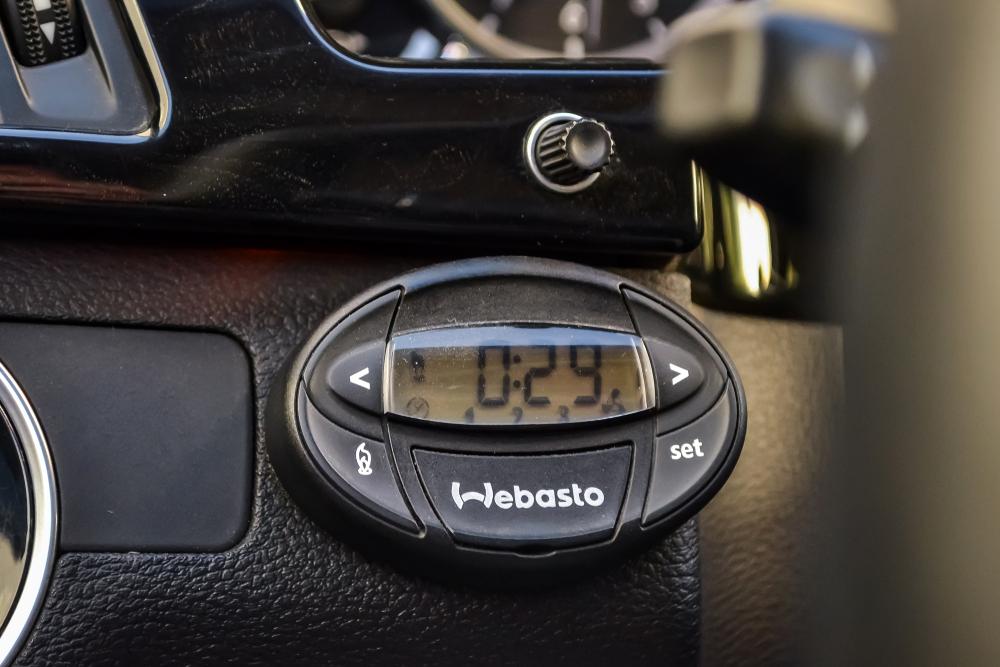
Most people planning a campervan trip in Iceland spend weeks worrying about the obvious stuff first.
Road conditions? Sure. Weather? Sure, you never know what happens in our crazy country.
And then what to pack, or whether the sheep are genuinely as chaotic as the internet claims.
All of a sudden, out of the blue, the first night arrives.
The temperature drops, the wind starts aggressively testing the structural integrity of the van, somebody accidentally touches the cold window with one finger and suddenly a new question enters the chat: wait... how does campervan heating in Iceland actually work?
And let us tell you: FAIR ENOUGH!
Because sleeping in a campervan in Iceland sounds incredibly cozy online, but that's right up until you realize you’re voluntarily spending the night inside a metal box parked on a volcanic island where the weather changes personality every forty minutes.
The good news is that modern campervans in Iceland are usually well equipped for these conditions, especially when you rent from companies that actually understand Icelandic road trips instead of treating the country like a slightly colder parking lot.
The slightly less relaxing news is that first-time travelers tend to panic about campervan heating approximately twelve seconds after sunset.
(Usually for no reason, needless to say).
So before you spend your entire evening opening weather apps, checking the heater every four minutes, and wondering if thermal socks count as survival equipment, here’s what you should actually know about staying warm in a campervan in Iceland.
Do campervans in Iceland have heating?
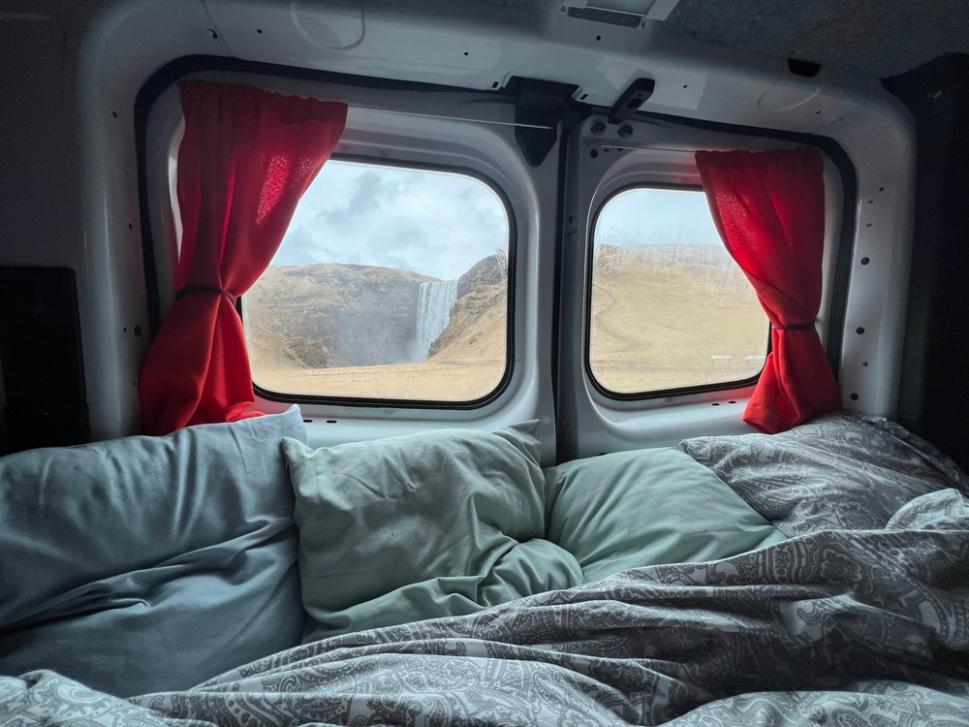
Inside: one blanket and sudden inner peace.
One of the biggest misconceptions people have before arriving in Iceland is imagining campervans as slightly upgraded tents on wheels where you basically spend the night negotiating with hypothermia.
Thankfully, modern campervans in Iceland are usually faaaar better prepared than that.
Most campervan rental companies offer vehicles equipped with heating systems specifically designed for overnight use, especially because Icelandic temperatures can get cold even outside winter.
And no, we’re not talking about “a little chilly.” Even summer nights can suddenly remind you that glaciers are still very much part of the local scenery.
The important thing to understand is that not all campervans have the same heating setup.
Some vans use diesel heaters, others rely on auxiliary batteries, campsite electricity hookups, or different systems depending on the vehicle category. Which means the experience can vary quite a bit between a tiny budget van and a larger camper fully built for Icelandic road trips.
This is also why blindly comparing random TikTok videos titled “our Iceland van disaster 😭” is not always the smartest research strategy humanity has produced.
A properly equipped campervan should be perfectly capable of keeping you warm during the night when used correctly. The key difference is usually not whether heating exists, but how well the van itself is designed for Icelandic conditions in the first place.
Because Iceland is not the kind of destination where you want your heating system to feel like a fun optional personality trait.
How does campervan heating work overnight?

This is usually the moment where first-time travelers start overthinking things a little.
People arrive in Iceland, see the heater controls inside the van, and immediately assume there must be some deeply complicated survival procedure involved. Meanwhile, the system is often much simpler than expected (once somebody explains what’s actually happening).
Because no, you’re not supposed to leave the engine running all night like you’re hiding inside a getaway car from a 1997 action movie.
Most campervans in Iceland use independent heating systems that work separately from the main engine. Depending on the van, this can mean a diesel heater, an auxiliary battery system, or campground electricity hookups in some larger setups.
The important detail is that these systems are designed specifically for nighttime use.
In many cases, the heater pulls energy from a secondary battery that recharges while driving during the day. Which also explains why campervan companies sometimes recommend driving a reasonable amount daily before spending the night parked somewhere remote with the heater working for hours.
If we're honest, this is where Iceland starts teaching people that road trips involve slightly more logistics than just “vibes and waterfalls.”
Heating systems themselves are usually pretty straightforward once you get used to them. You set the temperature or power level, the system warms the van gradually, and after a while the inside starts feeling surprisingly cozy compared to whatever weather chaos is happening outside.
The first night, though? Everybody becomes emotionally hyperaware of every tiny sound.
You hear the heater activate once and immediately think something exploded.
You hear wind touching the van and suddenly start questioning every life decision that led you to sleeping inside a vehicle on a volcanic island in the North Atlantic.
By night two, you’ll probably be sleeping through all of it.
Should you leave the heater on all night?

This is probably the part that creates the most unnecessary panic during an Iceland campervan trip.
Some travelers become convinced the heater will stop working after twenty minutes. Others are terrified of using it “too much.” And then there’s always somebody checking the battery level every eleven seconds like they’re monitoring a dying submarine.
In reality, overnight heating in a campervan is usually much less dramatic than people expect.
At KuKu, the heaters work through a secondary battery system designed specifically for this purpose, so you’re not draining the main vehicle battery while sleeping. The whole setup is built around the reality of Icelandic road trips, where nights can get cold very quickly even when the daytime weather looked suspiciously friendly.
That said, the heater is not meant to transform the van into a tropical wellness spa at 3 AM while there’s horizontal rain attacking the windows outside.
The goal is comfort. Warm enough to sleep well. Warm enough that putting on socks in the morning doesn’t feel like a personal challenge from nature itself.
Most people also realize pretty quickly that campervans retain heat better than expected once the space warms up properly.
Between the heater, insulated setup, blankets, sleeping bags, and the fact the van itself is relatively compact, the inside often becomes surprisingly cozy after a while.
The first night, though, people tend to behave like the heater is emotionally unstable.
You wake up once because of the wind and immediately assume the entire system has failed. You touch one slightly cold surface inside the van and suddenly start mentally drafting your final goodbye speech.
Meanwhile the heater is usually doing exactly what it’s supposed to do.
Is a campervan warm enough in Iceland in winter?
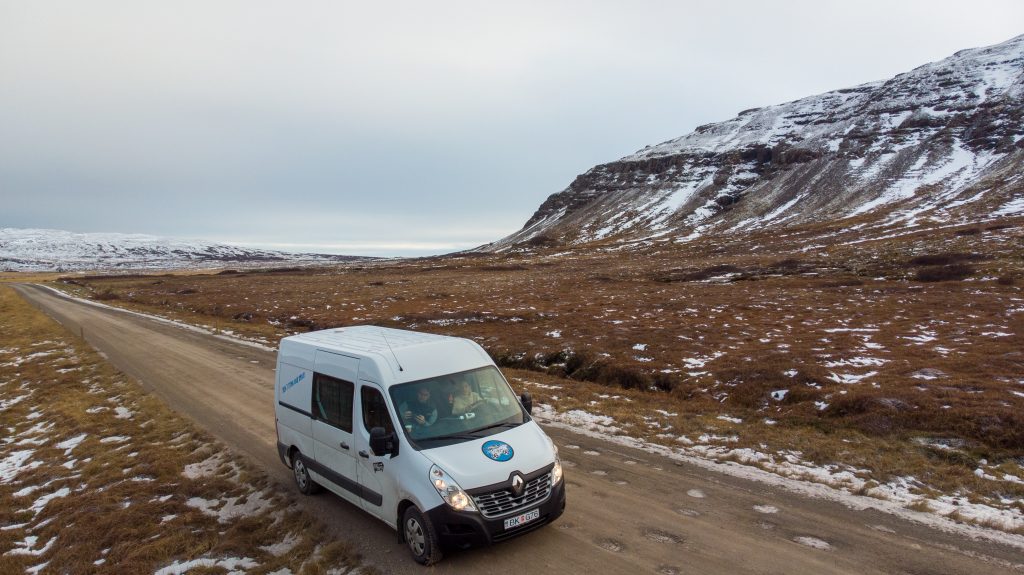
Now we enter the season where Iceland stops being “dramatic but cute” and starts becoming properly serious about weather.
Because winter campervan travel in Iceland is absolutely possible, but this is also the point where people sometimes underestimate what “winter” means on an island sitting just below the Arctic Circle surrounded by wind that occasionally feels personally offended by your existence.
The good news is that a properly equipped campervan can still be very comfortable during winter trips.
The important part is understanding that staying warm is never about one single thing. It’s the combination that matters: a reliable heating system, decent insulation, proper bedding, dry clothes, and not pretending your tiny airport hoodie was designed for Icelandic February nights.
Summer and winter also feel completely different inside a campervan.
During summer, most people only need heating occasionally during colder nights or windy weather. Spring and autumn become more unpredictable, where temperatures can swing quite a bit depending on the region and conditions.
Winter, on the other hand, turns heating into a full-time member of the road trip.
That’s also why winter campervan travel in Iceland works best when the vehicle is actually designed around Icelandic conditions instead of just technically surviving them.
And honestly, this is where first-time travelers sometimes get surprised in a good way.
People imagine sleeping in a campervan in Iceland means suffering heroically under seventeen blankets while emotionally processing every life choice that brought them there.
Then the heater kicks in, the blankets warm up, the wind keeps screaming somewhere outside like a rejected Viking ghost, and suddenly the whole thing feels weirdly cozy instead of miserable.
Why condensation happens in campervans and how to deal with it
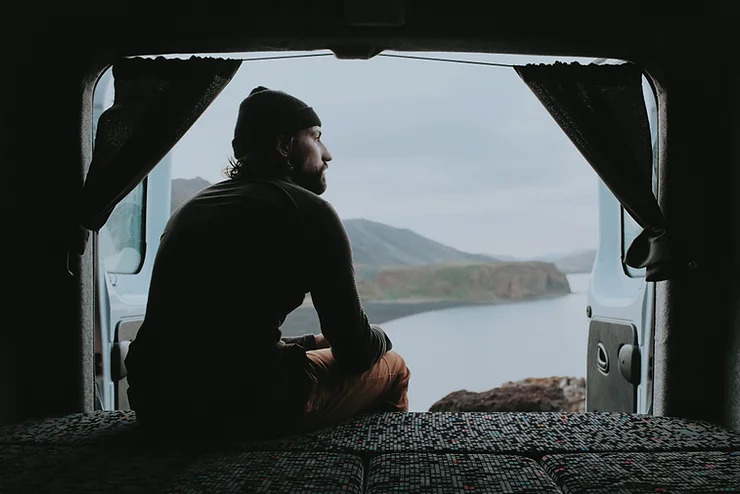
At some point during the trip, almost everybody wakes up, looks at the windows, and briefly wonders if the van spent the night slowly transforming into an aquarium.
That’s condensation.
And despite what your sleep-deprived brain may suggest at 7 AM, it does NOT mean the campervan is broken, leaking, or preparing for a small indoor flood situation.
It’s just... well, it's physics showing up uninvited.
You’ve got cold air outside, warmer air inside, people breathing for hours in a relatively small space, wet jackets, damp shoes, maybe some steam from cooking pasta five centimeters away from the bed... eventually moisture starts collecting on colder surfaces like windows and metal panels.
And Iceland gives this process excellent working conditions.
The important thing is understanding that condensation is normal to some extent during campervan travel, especially in colder weather. The goal is reducing it, not magically eliminating every single drop of moisture like some kind of road trip humidity wizard.
Heating helps a lot because warmer air holds moisture better, but ventilation matters too.
Which sounds slightly counterintuitive at first.
Your brain sees cold wind outside and thinks: absolutely not, we are sealing this van like a submarine. Meanwhile opening a small vent or allowing minimal airflow is often exactly what keeps the inside feeling drier and more comfortable overnight.
Another thing people underestimate is how much wet clothing contributes to the problem.
Leaving soaked jackets, gloves, hiking shoes, and towels piled inside the van overnight basically creates a tiny Icelandic rainforest directly next to where you’re trying to sleep.
And honestly, after a long rainy day in Iceland, condensation becomes less of a “problem” and more of a personality trait the van temporarily develops.
What should you bring to stay warm in a campervan?

The funny thing about Iceland is that people often prepare for the country itself while completely underestimating the tiny everyday moments that actually make them cold.
Not the glacier hikes, and not even the volcanoes. And no, definitely not the cinematic black sand beaches.
It’s the 11 PM campsite bathroom walk with wind hitting your face at illegal speeds.
That’s the moment where packing suddenly becomes VERY personal.
The good news is that staying warm in a campervan in Iceland usually depends more on smart layering than on bringing expedition-level survival gear that makes you look ready to climb Everest by accident.
Thermal base layers help a lot, especially during colder months.
Warm socks matter more than people expect.
A hoodie or fleece dedicated only to sleeping quickly becomes one of the most emotionally valuable objects inside the van.
By the way, remember that dry clothes are basically luxury.
Because once Icelandic rain enters the chat, putting on warm dry layers at the end of the day feels less like getting dressed and more like entering a state of spiritual recovery.
A hat for sleeping also helps surprisingly well during colder nights, even if wearing a beanie inside a campervan initially makes you question your own life trajectory.
Then... there’s bedding.
A good sleeping bag, proper blankets, and insulated sleeping setups make an enormous difference, especially outside summer.
Most people who panic about campervan temperatures during the first evening calm down dramatically once they’re actually inside the bed setup for ten minutes.
And this is exactly why practical extras matter during an Iceland road trip.
At KuKu, the vans are designed around real Icelandic conditions, not just the fantasy version where every road trip happens under perfect sunshine and emotionally supportive weather.
Bedding setups, heating systems, cooking equipment, and useful add-ons exist because Iceland has a very special talent for turning small inconveniences into memorable character development.
Why campervan heating feels easier with KuKu
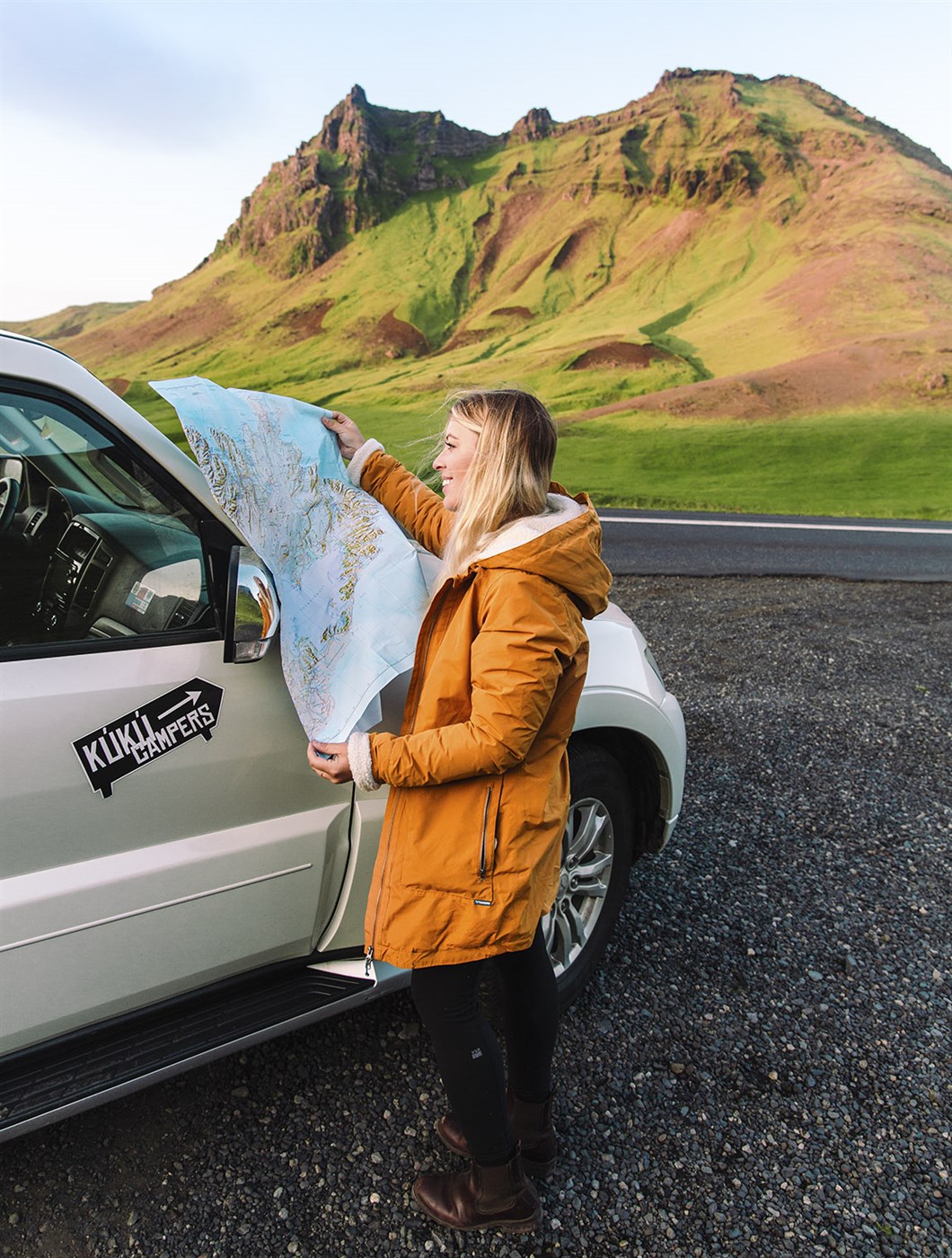
The first night in a campervan in Iceland becomes a lot less stressful once somebody explains things properly before you leave the parking lot.
And here at KuKu, we don’t just hand you the keys and spiritually abandon you into the Icelandic wilderness hoping you develop heating knowledge through personal growth.
During pickup, we take the time to walk you through the campervan, explain how the heating system works, show you how everything inside functions, and make sure you’re comfortable with the setup before the trip starts.
Because honestly, most first-night campervan panic comes from uncertainty, not from the actual temperature (well... 90% of times, at least).
People start wondering if the heater is working correctly, if the battery is fine, if that sound is normal, if they accidentally pressed something weird twenty minutes ago... meanwhile the van is usually behaving exactly as intended.
And if you still need help later on, there’s always an actual human team you can contact.
Customer service is available every day from 8 AM to 6 PM, road assistance from 8 AM to 8 PM, and unlike Icelandic weather forecasts, we generally try not to become dramatically unpredictable without warning.
The campervans themselves are also built specifically for Icelandic road trips, which matters a lot more than people expect after a few days on the road.
Different van sizes, practical layouts, useful extras, heating systems designed for real Icelandic conditions, and setups that prioritize usability instead of looking like minimalist Scandinavian furniture exhibitions.
The colorful designs help too.
After a while, spotting another KuKu van somewhere in the middle of nowhere starts feeling less like seeing another rental vehicle and more like encountering a fellow survivor of the same weather-related emotional journey.
And beyond the vans themselves, the website is packed with guides, maps, driving tips, campsite information, and Iceland-specific resources designed to help you spend less time panicking about logistics and more time enjoying the fact you’re driving through one of the strangest and most beautiful landscapes on Earth.
We are waiting for you here: learn more about our vans and book your Icelandic holiday today.