
A KuKu Guide To Gas Stations in Iceland (and the Tiny Fuel Decisions That Can Ruin Your Road Trip)
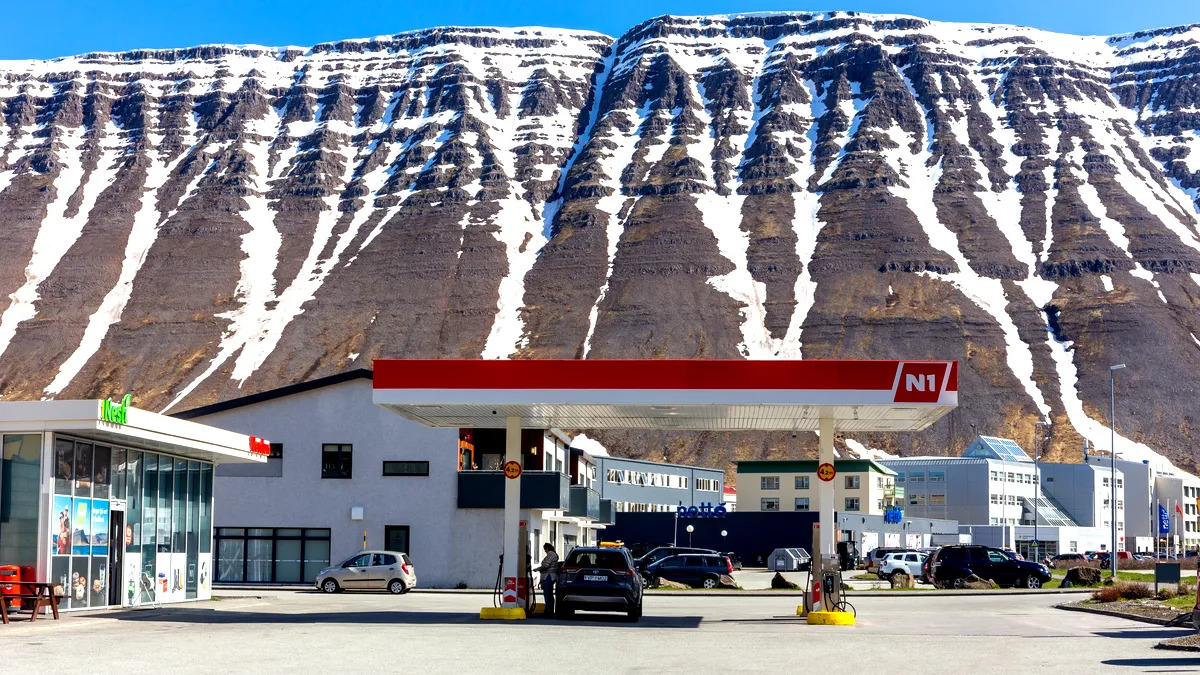
People imagine driving in Iceland as this endless cinematic experience where you peacefully cruise between waterfalls, glaciers, black sand beaches, and mountains that look aggressively fake.
And well... if we have to be honest, a lot of the time, it really does feel like that.
Right up until you suddenly notice the fuel gauge.
Because Iceland has a funny little habit of making distances feel shorter than they actually are.
You leave one town thinking “we’ll just stop later,” then forty-five minutes pass, the landscape becomes increasingly empty, the weather starts doing weird things, and now you’re emotionally attached to the idea of finding a gas station before the van starts judging your life choices.
The good news is that gas stations in Iceland are generally easy to use, reliable, and surprisingly well organized (once you understand how the system works).
The slightly less relaxing news is that fuel in Iceland is expensive, many stations are self service, and some remote regions seem personally committed to testing how much trust you place in your remaining range estimate.
So before you start driving across lava fields with half a tank and blind optimism, here’s everything you should know about gas stations in Iceland, fuel prices, payment systems, diesel vs petrol, and how to avoid becoming “that traveler” explaining to road assistance how this somehow happened.
Are Gas Stations Easy to Find in Iceland?
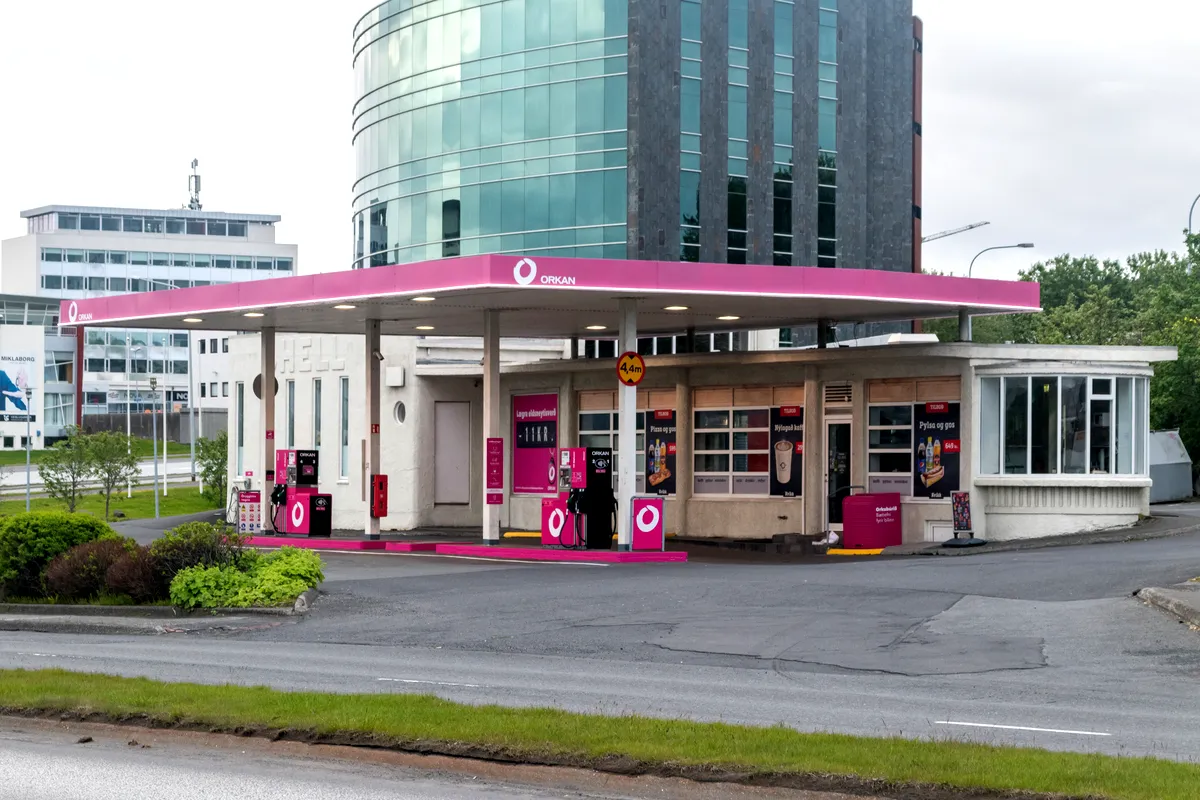
Gas stations in Iceland are generally easy to find around bigger towns, popular tourist routes, and the main parts of Route 1. You’ll regularly run into stations near places like Reykjavik, Vik, Akureyri, Egilsstaðir, Selfoss, and other larger stops along the way.
That’s the version of Iceland people usually experience in travel videos. The other version appears once you start heading into more remote areas.
The Westfjords, parts of East Iceland, the Highlands, and some smaller coastal roads can suddenly become very empty very quickly.
This is where people make the classic mistake: assuming another gas station will appear soon just because one normally would back home. Well, Iceland does not care about those expectations.
A smart rule is simple: if you’re already thinking about refueling, just do it. Especially before long drives into remote regions or before taking F roads into the Highlands, where fuel stations can become veeery rare.
Google Maps is usually reliable for finding gas stations in Iceland, but don’t blindly trust it like it’s some ancient Icelandic prophecy.
And during winter? Everything becomes slightly more dramatic.
Strong winds, snow, road closures, and detours can easily increase driving time and fuel consumption. Suddenly that “we still have enough fuel” calculation starts feeling emotionally ambitious.
How Much Does Fuel Cost in Iceland?
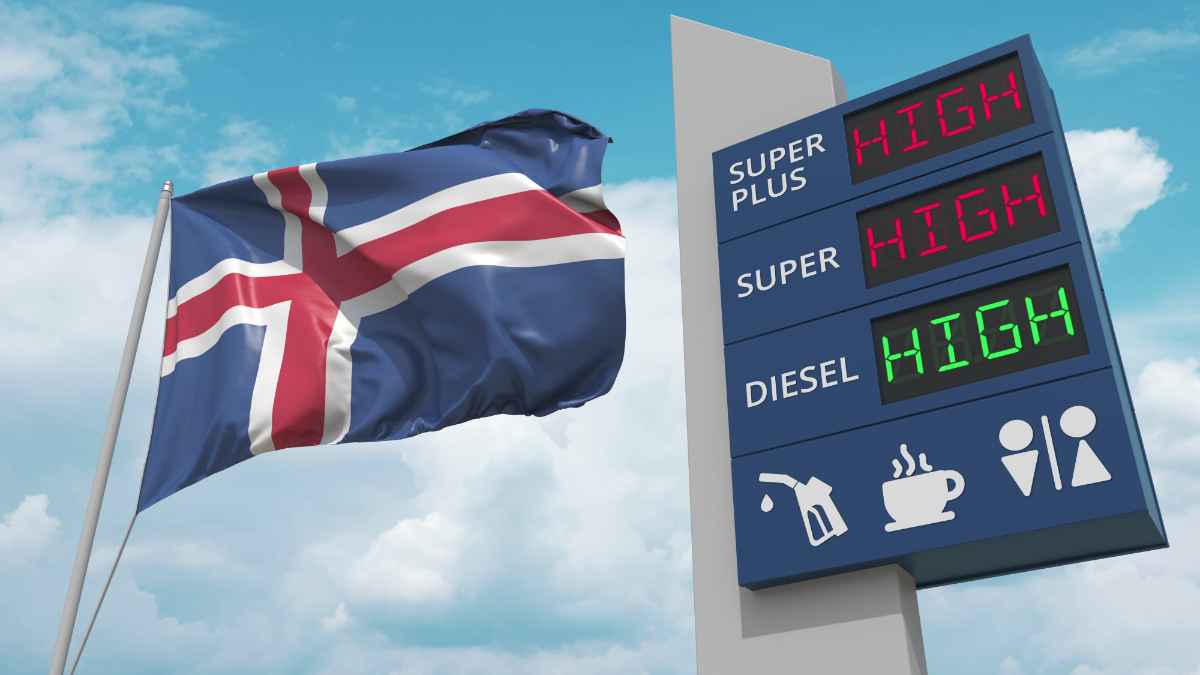
At some point during the trip, everybody starts paying attention to fuel prices in Iceland a little more than expected.
Usually, that's right after the second refill.
Because yes, fuel in Iceland is expensive. Not “sell the campervan and walk” expensive, sure, but definitely high enough that you notice it, especially on longer road trips around the country.
Prices change regularly, but both petrol and diesel in Iceland tend to sit noticeably above what many travelers are used to elsewhere in Europe or North America. And once you start driving longer distances every day, those numbers stop feeling theoretical pretty quickly.
There are also a few details people underestimate.
Strong wind increases fuel consumption more than you’d think. Gravel roads don’t exactly help either.
And if you’re driving a larger campervan through remote areas with heavy weather conditions, the van will absolutely remind you that physics is still involved in this trip.
Some remote gas stations in Iceland can also be slightly more expensive than stations closer to larger towns, although usually not enough to completely destroy your budget.
Still, fuel planning matters.
A full tank during an Iceland road trip is less about optimizing costs and more about buying yourself flexibility, peace of mind, and the ability to stop admiring every fuel gauge movement like it’s a live stock market chart.
Diesel vs Petrol in Iceland: The Tiny Mistake That Can Ruin Your Entire Day
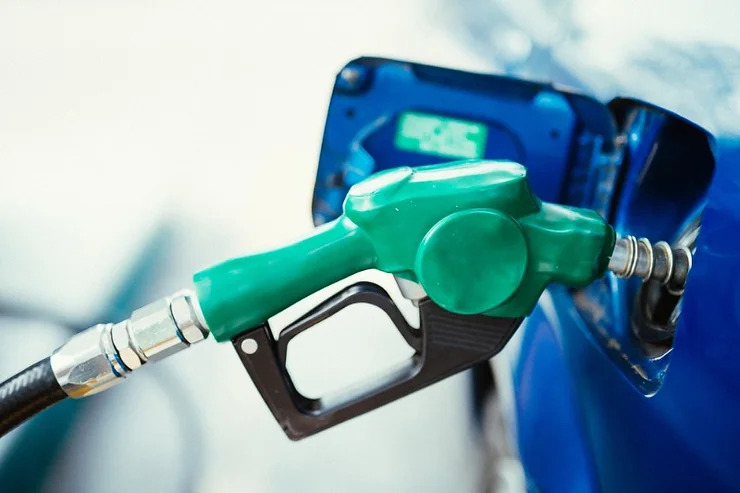
Fueling in Iceland is usually very straightforward… until somebody accidentally grabs the wrong pump while running on low sleep, bad weather, and road trip confidence.
And trust us, this is not the country where you want to discover the difference between diesel and petrol the hard way.
Most campervans in Iceland run on diesel, which already catches some travelers off guard if they normally drive petrol cars back home. Add different pump colors depending on the station, Icelandic labels, wind aggressively slamming the door into your leg, and suddenly the whole fueling experience becomes weirdly stressful for approximately ninety seconds.
The important words to remember are simple:
- “Bensín” means petrol.
- “Dísel” means diesel.
That’s it. Burn those two into your memory immediately.
Because putting the wrong fuel into the vehicle is not a funny little road trip inconvenience. It’s the kind of mistake that can turn a perfectly good Iceland day into a very expensive conversation involving mechanics, tow trucks, and deep personal regret.
The good news is that gas stations in Iceland are generally well marked, and once you’ve fueled once or twice, the whole thing becomes automatic.
Still, maybe don’t approach the pump with complete emotional overconfidence.
How to Pay at Gas Stations in Iceland
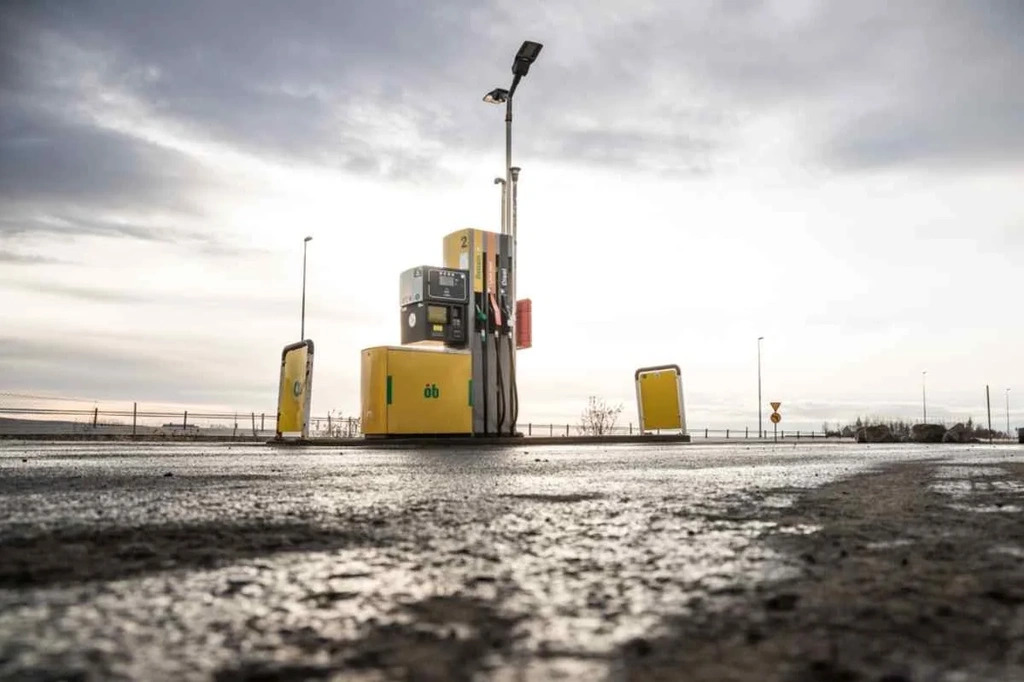
Another thing that surprises people during their first Iceland road trip is how little human interaction happens at gas stations.
A lot of stations in Iceland are completely self service, especially outside bigger towns or later in the evening. Which means you pull up, tap or insert your card directly at the pump, fuel up, and continue your existential journey through lava fields without speaking to anyone.
We hear your question: yes, most international debit and credit cards work perfectly fine.
But there’s one detail that catches travelers off guard all the time: many gas stations in Iceland require a PIN code. If your card only works with signature verification back home, this is the moment where our country suddenly becomes very interested in testing your patience.
Some stations also temporarily reserve a higher amount before fueling. So you might see a surprisingly aggressive pending charge appear for a while even if you only bought half a tank.
Usually it disappears automatically later, but the first time it happens, people absolutely assume the gas station just purchased the vehicle too.
Apple Pay and Google Pay sometimes work, especially at newer stations, but relying on them everywhere is risky once you leave larger areas.
Having at least one physical card is always the safest move.
But all in all, to be honest, after a couple of self service gas stations in Iceland, the whole system will start to feel surprisingly efficient. Slightly cold, sure; slightly robotic, too; but efficient.
Best Gas Station Chains in Iceland
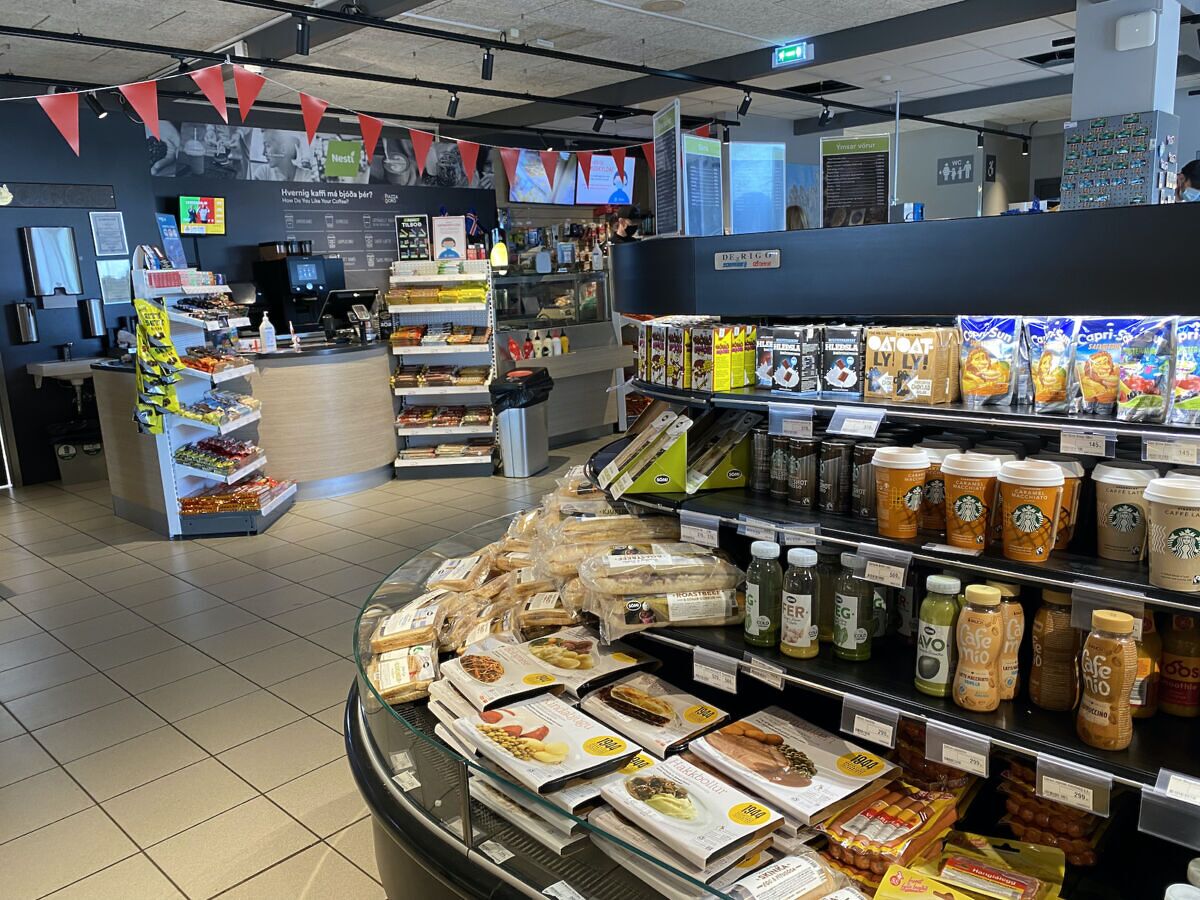
After a few days on the road, you’ll start recognizing Icelandic gas station brands faster than actual towns.
Some are everywhere, some are slightly cheaper, some randomly have surprisingly decent food at 11 PM when your original dinner plan collapsed somewhere near a glacier.
The biggest gas station chain in Iceland is probably N1. You’ll find it all over the country, including many remote areas, which makes it extremely useful during longer road trips.
N1 is usually the safest “there will probably be fuel here” option once you’re far from bigger towns.
Olís and OB are also common. OB tends to be slightly cheaper sometimes, while Olís stations are often a bit larger and more service-oriented.
Then you’ve got Orkan and Atlantsolía, which many travelers end up loving because prices can occasionally be lower than the bigger chains. Atlantsolía especially has a reputation for being one of the cheaper fuel options in Iceland, although station availability depends heavily on the region.
But here’s the thing people don’t expect: gas stations in Iceland are often much more than just gas stations.
They become coffee stops, bathroom breaks, emergency sandwich providers, WiFi zones, weather-check headquarters, and temporary emotional support centers when the wind outside starts sounding personally offended by your existence.
At some point during the trip, you will stop thinking “honey, we need fuel” and start thinking “dare I say it? I could really use a gas station right now.”
Where to Check Fuel Prices in Iceland
Eventually, something strange happens during an Iceland road trip.
You become the kind of person who compares fuel prices across volcanic regions with surprising emotional commitment.
And honestly? Fair enough, buddy!
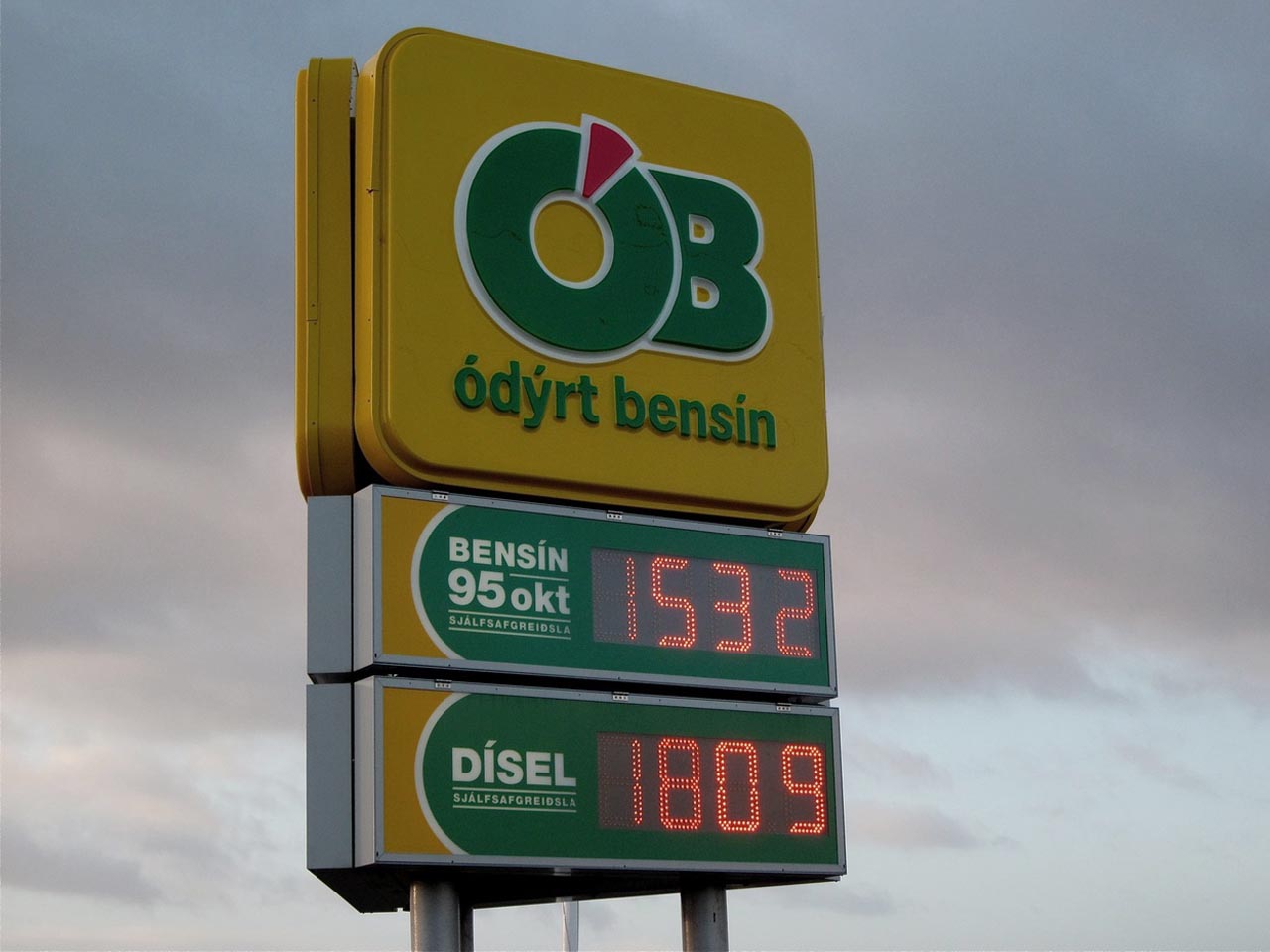
Fuel prices in Iceland can vary enough between stations that checking before refueling actually makes sense, especially during longer trips around the Ring Road or remote areas where you’ll be driving a lot every day.
One of the most useful tools for this is GSMBensin, a website that tracks fuel prices across Iceland and shows which stations are currently cheaper nearby. It’s incredibly practical once you start noticing how fast a campervan can transform fuel into “well, that was another hundred kilometers.”
Google Maps can help too, although it’s not always perfectly updated in remote areas. Some travelers also use gas station apps from chains like N1 or Olís to check prices, locations, or discounts.
And then there’s the old-fashioned Icelandic method: aggressively staring at giant fuel price signs while driving past at questionable speeds trying to mentally compare numbers before the station disappears behind you.
Whatever method you use, the goal is not becoming obsessed with saving twelve cents.
It’s simply avoiding those moments where you realize the station you just passed was dramatically cheaper than the only one available for the next two hours.
Tips to Avoid Running Out of Fuel in Iceland
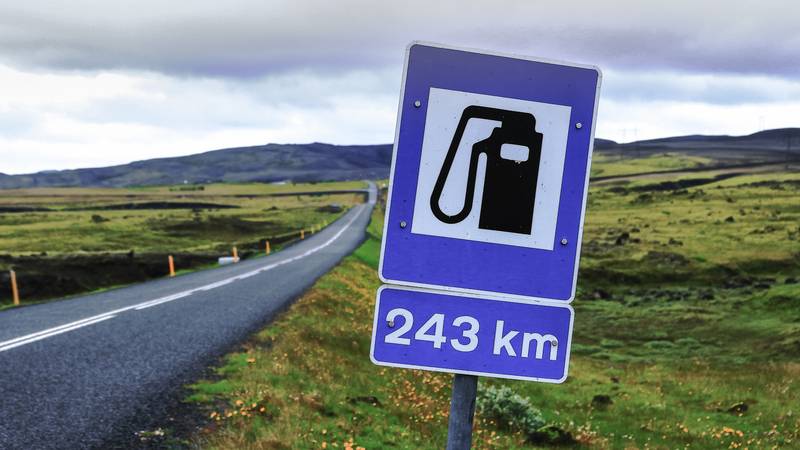
Here's what might realistically happen to you while driving in Iceland: suddenly you’re driving through a completely empty landscape with one blinking bar left and developing a spiritual connection with the remaining range estimate.
In short, the easiest way to avoid problems is simple: stop treating half a tank like a full tank once you leave populated areas.
In Reykjavik or along busy parts of the South Coast, refueling later is usually fine. In remote regions, however, that logic becomes much less impressive very quickly.
Weather also changes everything.
Strong wind, detours, gravel roads, snow, slow driving conditions, and F roads can increase fuel consumption much more than people expect before arriving. Distances in Iceland are already longer than they look on the map, and difficult conditions make them feel even longer.
Another mistake travelers make is assuming the estimated remaining range on the dashboard is some kind of sacred truth.
Well... how to break this news? It is NOT.
That number was calculated based on previous driving conditions. If the weather suddenly turns aggressive or you leave paved roads, the situation can change fast.
And while road assistance exists, running out of fuel in Iceland is still a deeply annoying way to interrupt your trip.
The best strategy is honestly the boring one: if you see a gas station and your tank isn’t comfortably full anymore, just stop. Future-you will probably feel very grateful about it somewhere in the Eastfjords.
Why Fuel Planning Feels Easier With KuKu
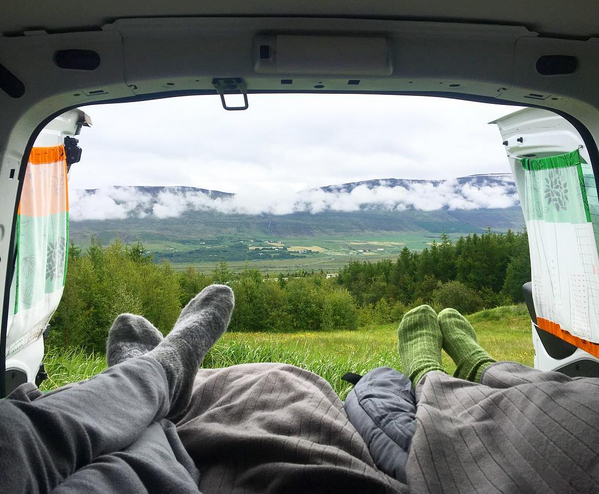
Fuel stops become a lot less stressful when you’re not figuring everything out alone halfway through the trip.
At KuKu, we explain the important stuff during pickup clearly and without assuming everybody arrived in Iceland already knowing how local gas stations work, which fuel the van uses, or why the weather suddenly changed personality three times before lunch.
Our campervans are built specifically for Icelandic road trips, which also means they’re designed around the reality of driving long distances through constantly changing conditions, not just looking good in parking lot photos.
And yes, the colorful designs help too.
Beyond the vans themselves, we also put a huge amount of practical information directly on our website. Fuel tips (like this one!), campsite guides, driving advice, maps, packing recommendations, F road information… basically all the things travelers start Googling desperately once they’re already somewhere in the middle of nowhere with one bar of signal.
If something goes wrong, there’s also an actual human team behind the trip.
Customer service is available daily from 8 AM to 6 PM, road assistance from 8 AM to 8 PM, and unlike Icelandic sheep, we generally don’t disappear into the landscape without warning.
So, what are you waiting for? Discover our campervans and start planning your Iceland road trip now.